Connected Communities

Public infrastructure serves as the vascular system for communities, providing channels for transporting clean drinking water, information, goods and services. Effective infrastructure systems should be robust, inclusive, sustainable and simply allow residents to seamlessly conduct their everyday lives. However, achieving and maintaining that level of functionality requires constant innovation and collaboration. By promoting land and water projects and investing in sustainable transportation and digital infrastructure, Cook County will increase regional accessibility and connectivity while supporting an equitable and growing economy.
The Bureau of Asset Management (BAM), Bureau of Technology (BOT), Department of Transportation and Highways (DoTH), Office of the President (OOP), Bureau of Economic Development (BED) and Department of Environment and Sustainability (DES) lead the work for the Connected Communities Policy Pillar initiatives.
Goal: Provide innovative infrastructure that will connect people and communities to increase equity, support economic growth and improve residents' quality of life.
Objective 1:
Promote innovative land and water projects that support an equitable and growing economy.
Spotlight:
Description:
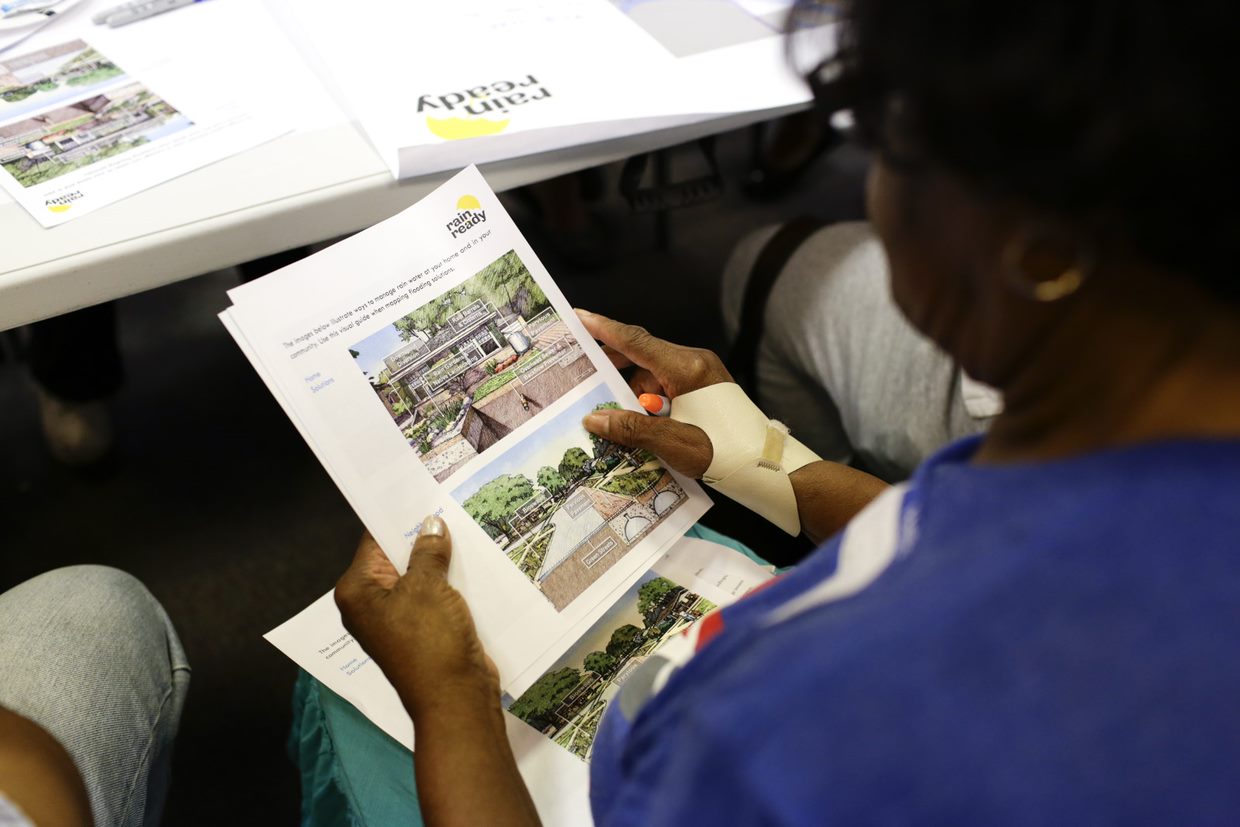
The RainReady program focuses on urban flooding mitigation using green infrastructure within the Calumet corridor, typically in under-resourced communities that face elevated urban flooding risk. Along with preventive maintenance and home retrofits, RainReady projects use vegetation and other natural solutions to capture stormwater and prevent damage to homes.
2025 Progress:
• Inspected sewer line and installed overhead sewers in Riverdale
• Installed green alleys in the City of Blue Island
• Installed green school yard at Burr Oak Academy in Calumet Park
• Served approximately 1,200 residents through the provision of services
Objective 2:
Provide equitable access to digital services for County residents in their homes and communities.
Spotlight:
Enhance and Expand Digital Equity and Access
Description:
Cook County has strengthened its digital equity footprint across the region, including its partnerships with community-based technology organizations. These efforts expanded access to devices and connectivity resources through co-designed community events for device distribution, equipment donation and digital literacy support.
2025 Progress:
• Co-organized over 200 events in 2025, 24% of which were device distribution or donation drives
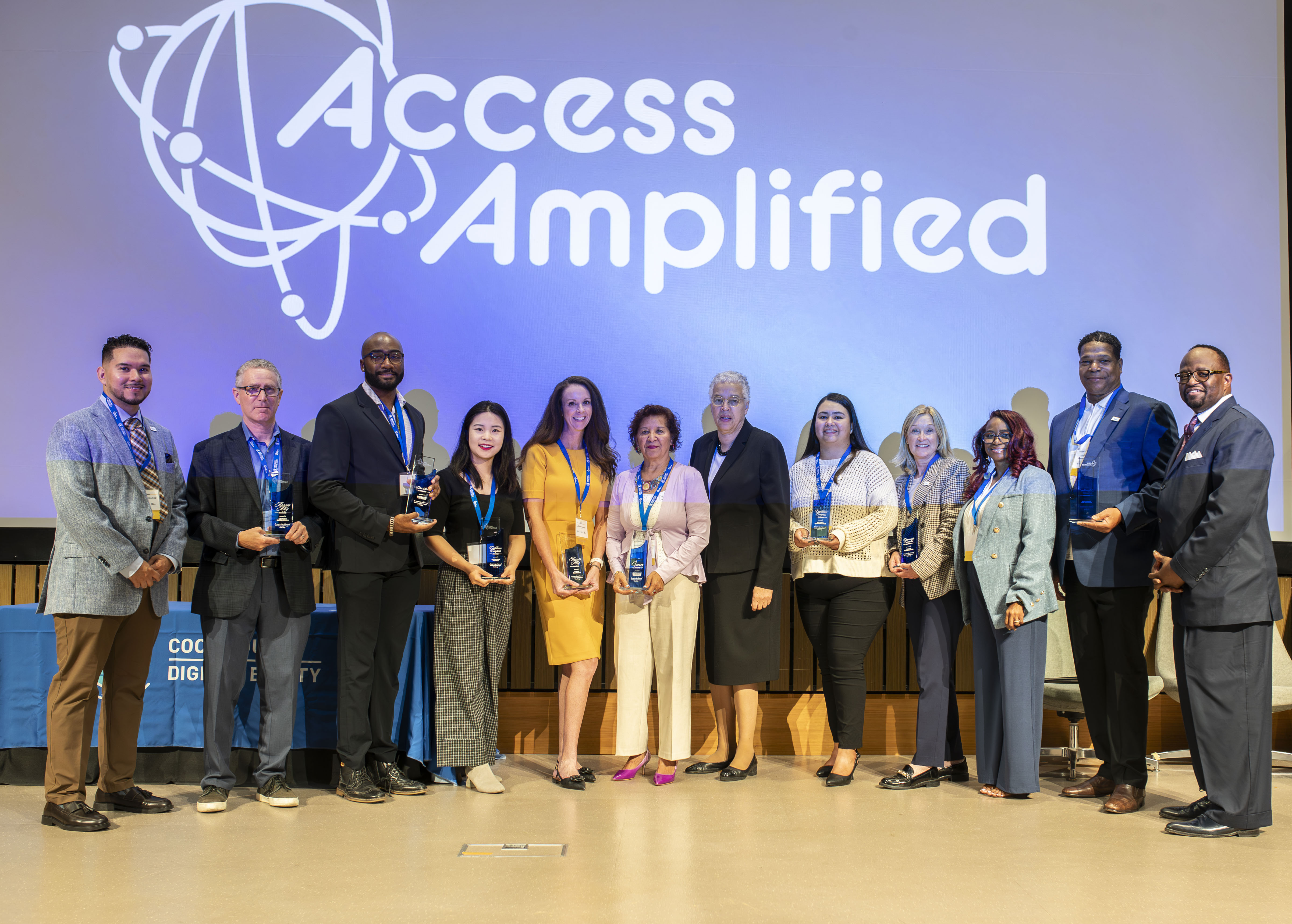
• Hosted Digital Inclusion Week (DIW), including the Cook County’s inaugural Digital Equity Symposium: Access Amplified. During DIW, 16.2% events were device distribution or donation drives
• Increased availability of affordable devices and connectivity resources for residents
• Strengthened collaboration across Cook County’s digital equity network
• Expanded digital access and literacy in historically underserved areas
• Cook County named a Digital Inclusion Visionary Trailblazer by the National Digital Inclusion Alliance
• Received a 2025 NACo Achievement Award
Objective 3:
Increase regional accessibility and connectivity by investing in sustainable transportation throughout Cook County.
Spotlight:
Description:
Access provides a reduced fare on all Metra lines and zones for low-income individuals, defined as those enrolled in the Illinois Supplemental Nutrition Assistance Program (SNAP) and residing within the Regional Transportation Authority’s (RTA) six-county region (Cook, DuPage, Kane, Lake, McHenry and Will Counties).
2025 Progress:
• Served nearly 7,000 participants
• Supported 13,000 rides per month, on average
• Participants have chosen to drive less and take public transit more than before enrolling in the program
Table of Contents
- Executive Summary
- Letter from the President
- Healthy Communities
- Vital Communities
- Safe and Thriving Communities
- Connected Communities
- Sustainable Communities
- Open Communities
- Equity Fund Addendum
- Equity Fund Financial Reporting